For years in Karimo, the abuse of girls with albinism was an open secret, kept alive by poverty, silence, and harmful myths. Families under strain were coerced into handing over their daughters, while survivors were left invisible. In 2024, this cycle began to break when the Women and Girls with Albinism Network (WGWAN), with support from UAF-Africa, established a reporting channel linking survivors directly to police, gender desks, and traditional leaders. For the first time, voices once muted were now being heard, cases were investigated, and a community that had looked away was forced to confront its role.
Albinism is a genetic condition caused by low levels of melanin in the body, often accompanied by visual impairment and skin complications. While all forms of albinism involve a reduced melanin production, the condition affects people differently. In Nigeria, where knowledge about albinism remains limited, health risks are compounded by myths that fuel stigma and abuse. Among the most disturbing was the false belief that sex with girls with albinism could cure HIV. It was this belief that underpinned the exploitation uncovered in Karimo, where a syndicate targeted poor households and subjected young girls to systematic abuse.
The introduction of a trusted reporting system in 2024 changed everything. What began as a pilot mechanism quickly became a lifeline, transforming Karimo from a place where abuse was normalised into one where protection could be claimed.
Recognising that systems alone could not uproot entrenched stigma, WGWAN expanded its focus to raising awareness. Community education sessions and dialogues engaged families, caregivers, and traditional leaders. Survivors were informed of their rights under the Nigeria Child Rights Act and the Violence Against Persons Prohibition Act. Parents and guardians, many unaware of their legal responsibilities, were taught how to protect their children.
Institutional partnerships deepened the impact. WGWAN secured agreements with the National Orientation Agency and the Gender Desk of the Karimo Police, ensuring that violence against women and girls with albinism was no longer treated as isolated incidents but as part of Nigeria’s broader child protection and human rights agendas.
As momentum grew, attitudes began to shift. Traditional leaders who had once looked away became vocal supporters of the initiative. The traditional council agreed to host a gender-based violence reporting system within its own structures, embedding protection into community governance. Reports of abuse declined sharply, and by the end of 2024, no new cases of HIV-related exploitation of girls with albinism were reported in Karimo.
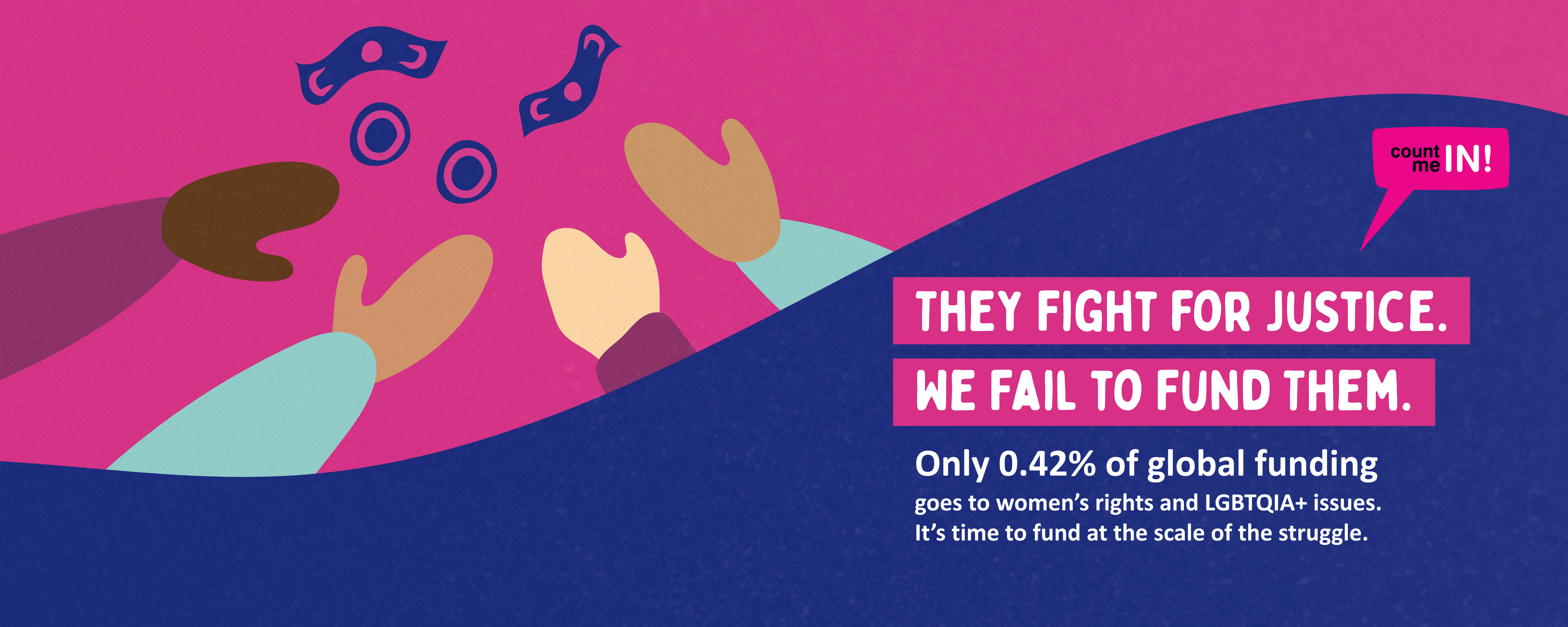
Through its partnership with UAF-Africa, CMI! provided the flexible, rapid funding that enabled WGWAN to intervene rapidly. This support allowed the organisation to establish the reporting system, sustain community advocacy, and build partnerships with police and national agencies. By resourcing women with albinism to respond on their own terms, CMI! reinforced its commitment to feminist organising and to centering the leadership of those most excluded.
“For the first time, we are not just surviving in silence – we are being heard, and our leaders are standing with us.” WGWAN member