In late 2023, sex workers across the world confronted a familiar wound: their labour was once again misrepresented at the highest levels of global policy. The United Nations Special Rapporteur on Violence Against Women and Girls used language that collapsed sex work into trafficking and exploitation, portraying it as inherently violent. By denying sex workers’ agency and flattening their realities into a story of victimhood, the Special Rapporteur’s words reinforced harmful assumptions that criminalisation is protective. For sex worker-led organisations, this was more than bad phrasing—it was a distortion that further legitimised violence against them.
It was this moment of misrepresentation that sparked one of the most powerful mobilisations of recent years. CREA, with the support of CMI!, recognised that silence was not an option. They launched an online platform to gather submissions, making space for sex worker-led organisations and allies to respond directly. Within weeks, more than seventy organisations from across the globe had contributed evidence and testimony. Their words dismantled the Rapporteur’s framing and made clear that criminalisation does not reduce violence; it produces it.
The mobilisation did not stop there. In May 2024, CREA convened Renew: South Asia Sex Workers’ Summit in Kathmandu, bringing together over two hundred sex workers and allies from across the region. For participants from countries where organising remains fragile, such as Sri Lanka and Pakistan, the summit was a rare chance to connect with peers and articulate shared struggles. Over three days, voices that had long been fractured by geography and fear began to converge into a collective force.
CREA partnered with several organisations to conduct workshops on crucial topics. Some sessions looked at how to use human rights mechanisms to highlight violations faced by sex workers. Others discussed ways to confront the challenges of digital safety in an era when online spaces are both vital and dangerous. Feminist allyship was examined and codified, producing principles to guide solidarity. Creative spaces—artivism in particular—allowed participants a space for powerful self-expression. At the centre of the summit stood the Kathmandu Declaration. This landmark document – the culmination of contributions from sex workers and allies— affirmed, without hesitation, that sex work is work. It rejected conflations with trafficking, demanded safe working conditions and access to health services, and even addressed the rights of sex workers’ children. Crucially, the Declaration, which is grounded in lived realities, has since been used for advocacy within the UN.
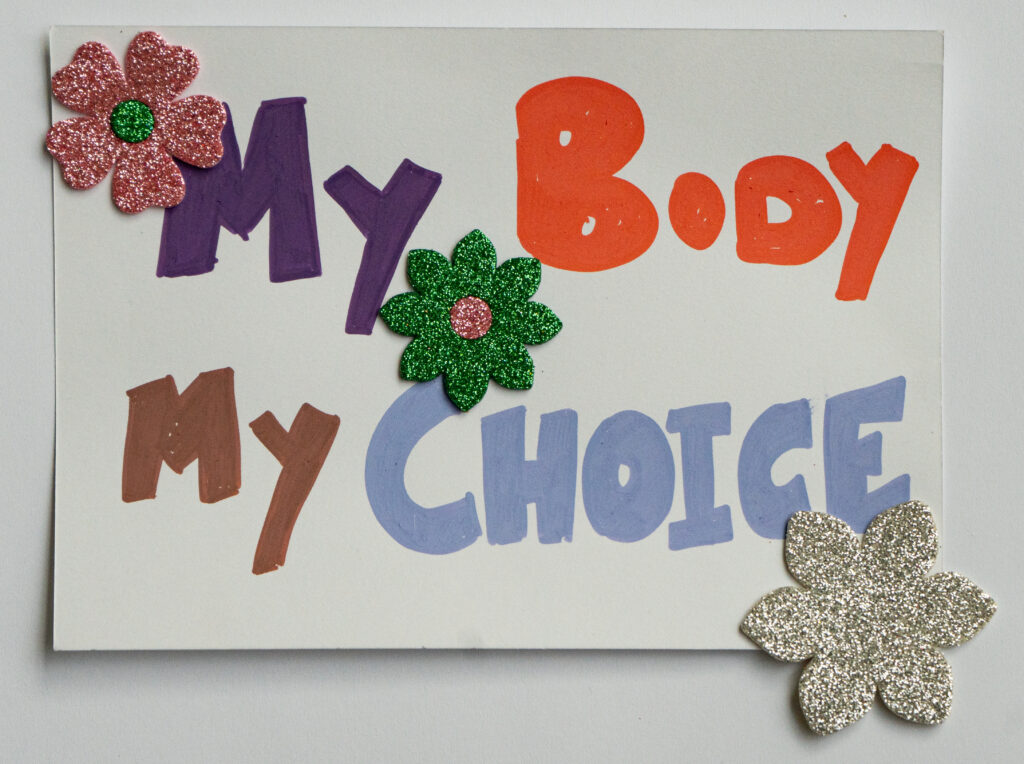
As one participant reflected, “I came to know that countries had different laws and policies; this gave me insight on how sex workers are treated in different countries.” Another spoke to the necessity of such convenings, highlighting how the “rally against the report of the UN rapporteur was very useful, and in the absence of these kinds of platforms it is not possible to come together and protest.” Many expressed how heartening it was to have a space that was created for them, and how important it was to meet colleagues and counterparts and know their contexts and challenges.
Misrepresentation has long been one of the most insidious forms of violence against sex workers. It distorts their realities, fuels stigma, and legitimises harmful policies. By resourcing CREA and facilitating collaboration across networks, CMI! ensured that sex workers’ voices could be organised, amplified, and heard.